
The short version
- Tracking breaks for three reasons: platforms count differently, creator-supplied screenshots cannot be verified, and audience overlap quietly inflates the reach number you report.
- Seven metrics carry a campaign report. Use median engagement rate rather than average, because one viral post sets an expectation nobody can repeat.
- Ten micro-creators at 100,000 followers each is not a million-person campaign. Unique reach is the number that survives a client asking how it was calculated.
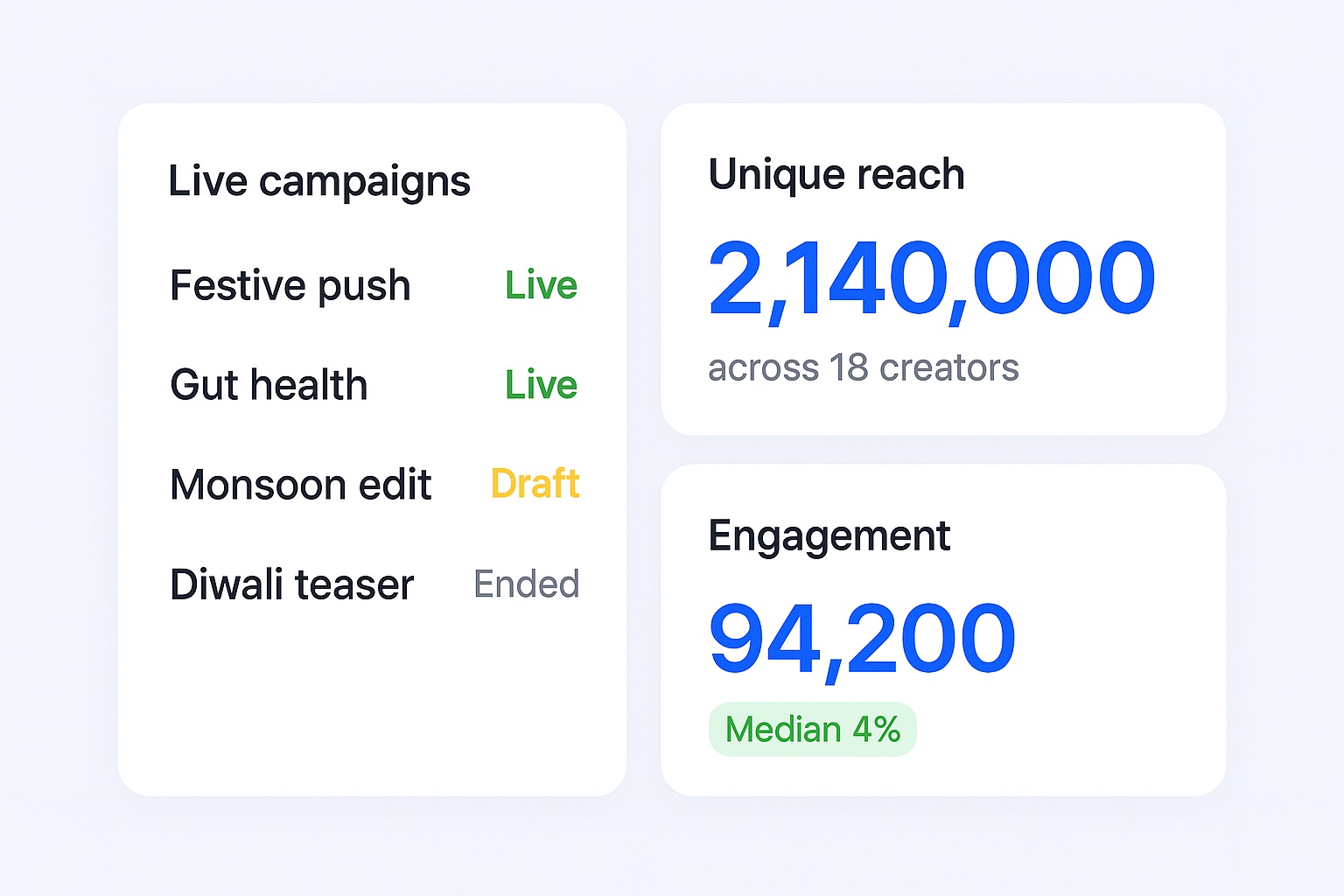
Five campaigns are live. One creator sent a screenshot that is too blurry to read, another has not posted but the agency is certain they have, and the client wants a report on Friday. The tracking sheet exists in three versions and none of them agree.
This is the normal state of influencer campaign tracking, not a failure of a particular team. The work is still done the way it was five years ago, manually and after the fact, always one missing link from a bad Friday. Here are the metrics worth tracking, how to set tracking up so it runs during the campaign rather than after it, and the mistakes that make a report impossible to defend.
Why this is harder than it looks
Three problems compound, and only one of them is about effort.
Platforms do not count the same thing. Engagement rate on Instagram is not calculated like view counts on YouTube, which are not counted like plays on TikTok. Run a campaign across three platforms and you do not have one dataset, you have three that happen to share a campaign name. Adding them together produces a number, just not a meaningful one.
Creator-supplied data cannot be verified. Screenshots, PDFs and WhatsApp forwards are unverified by definition. A screenshot can be cropped, edited, or simply taken on a better day. There is no way to tell from the image whether it reflects the post’s performance now.
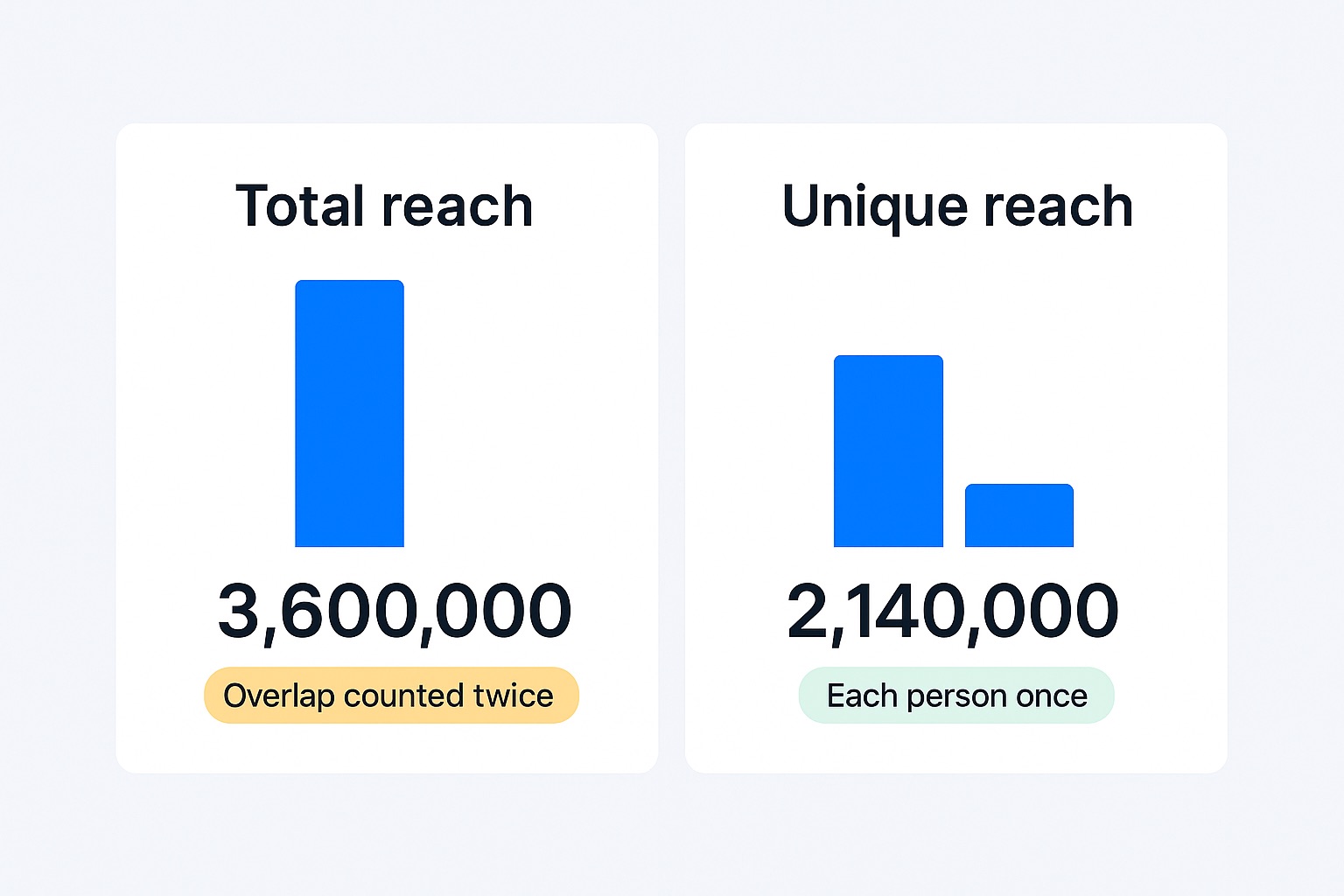
Audience overlap inflates reach. Ten micro-influencers with 100,000 followers each does not reach a million people. Real reach is the unique count across those audiences, and in a tight niche the overlap can be substantial. Reporting the sum is the most common way a campaign report becomes indefensible under questioning.
The seven metrics worth reporting
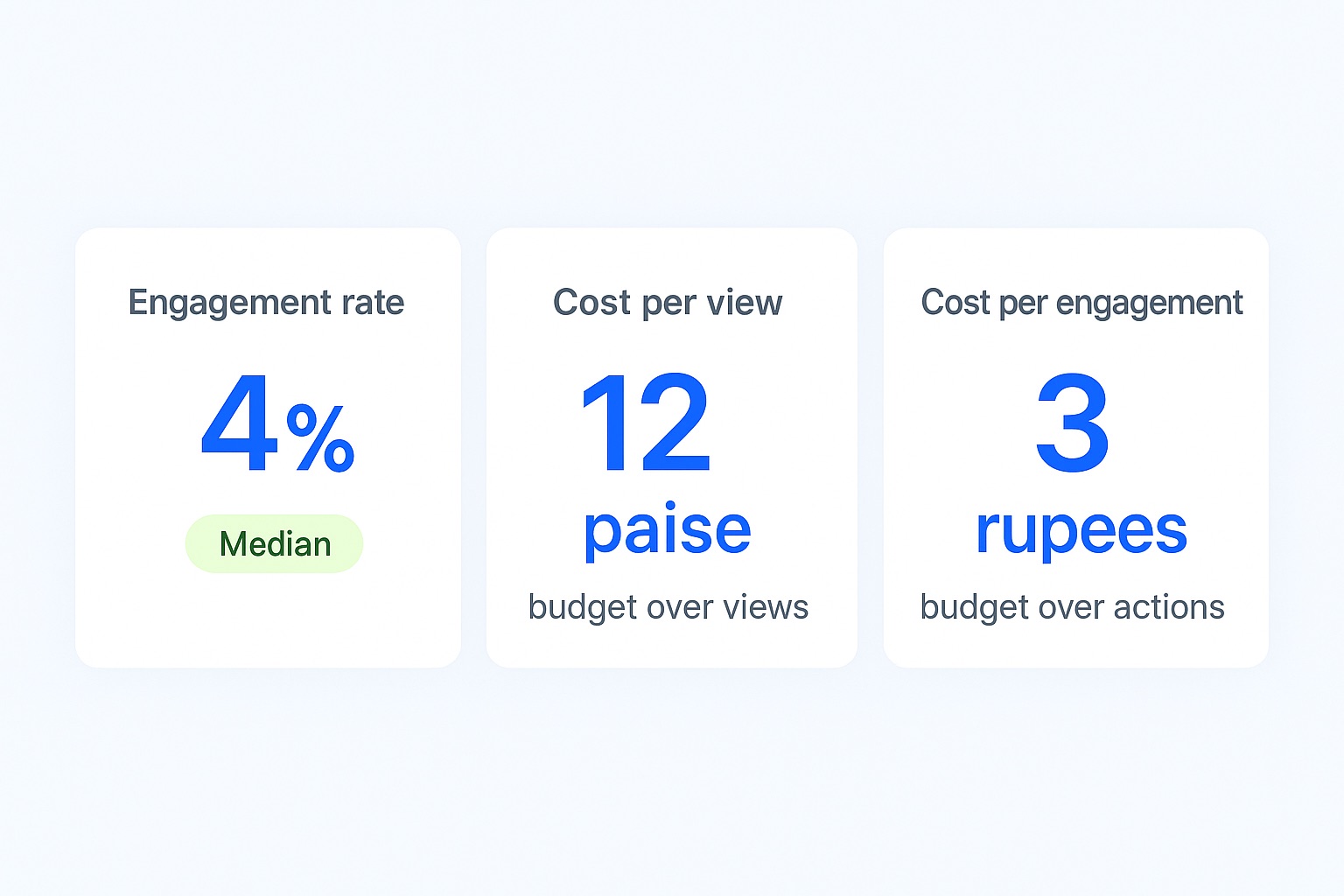
For brand campaigns the goal is reach and engagement rather than direct revenue attribution, so these are the numbers that actually say something:
- Engagement rate. Likes, comments, shares and saves over followers. Healthy sits around 2 to 3% for macro creators and 3 to 6% for micro. Use the median across posts, never the average, because one viral post inflates the average and sets a benchmark the next campaign cannot hit.
- Cost per view. Total budget divided by total views. Easier to defend in a client meeting than any reach estimate, because both inputs are known.
- Cost per engagement. Budget over total interactions. This is the number that exposes an expensive creator with a passive audience.
- Total reach versus unique reach. Report both. The gap between them is the overlap, and showing it is more credible than hiding it.
- Engagement depth. The split between passive likes and active comments, shares and saves. A campaign meant to shift consideration should move the active side.
- Sentiment. How the audience responded, not just how much. Comment sentiment in Hindi, Hinglish and English catches a campaign that is getting attention for the wrong reason.
- Hashtag performance. Whether the campaign tag travelled beyond the paid posts, which is the cleanest signal of earned amplification.
Setting tracking up so it runs itself
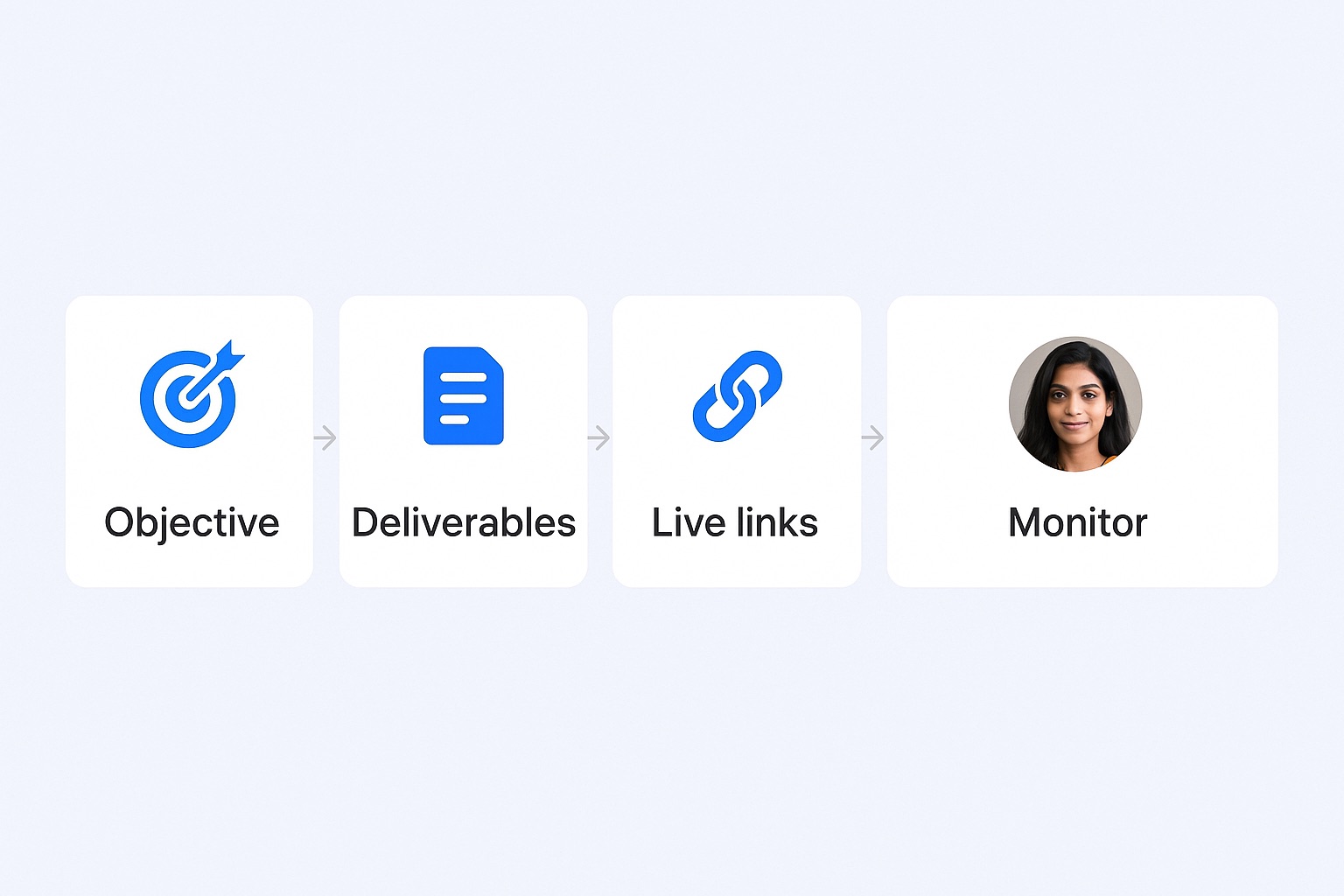
The order matters more than the tooling.
- Define the objective before launch. Awareness, consideration and conversion are measured with different numbers. Deciding afterwards means picking whichever metric happened to look good.
- Centralise deliverables. Every creator, deliverable, deadline and fee in one place, so what was promised is recorded before anyone argues about what was delivered.
- Add content by live link, not screenshot. A live link keeps updating. A screenshot is a snapshot of a moment that has already passed.
- Watch it during the window, not after. Real-time detection means an underperforming creator can be supported while the campaign is still running, which is the only point at which anything can be changed.
- Read across platforms in one view. Normalised into a single dashboard, otherwise you are mentally converting between three counting systems.
In the tracking suite posts are detected automatically once they go live, so reach, engagement and sentiment update without anyone chasing links. That removes the step where tracking usually fails, which is not the analysis but the collection.
See CultureX in action
Track every creator, post and campaign in one dashboard, with live content detected automatically instead of chased over WhatsApp.
Running several campaigns at once
One campaign in a spreadsheet is manageable. Five is where the method collapses, because the work stops being analysis and becomes reconciliation between versions of the same file.
What makes multiple campaigns tractable is a shared structure: the same metric definitions across all of them, so cost per view means the same thing in every report, and one place where every campaign’s live content is being detected. Then comparison becomes possible. Which campaign earned attention most cheaply, which creator appears in two campaigns with different results, whether the audience for the festive push overlapped with the one before it.
That comparison is also the argument for keeping historical campaigns in the same system. A creator’s performance on your last three campaigns is a better predictor than any median benchmark, and it only exists if the campaigns were tracked the same way.
The mistakes that make a report fall apart
- Summing follower counts as reach. The fastest way to lose credibility in a review, because the client only has to ask about overlap once.
- Reporting average engagement rate. One viral post drags the average up and creates a target the next campaign will miss.
- Measuring only at the end. A post-campaign report explains what happened. Live tracking lets you change what happens.
- Trusting screenshots. Unverifiable by nature, and usually taken at the creator’s best moment.
- Ignoring sentiment. Engagement counts reactions without asking what they were. A campaign can be busy and going badly at the same time.
If the underlying issue is which creators were chosen rather than how they were measured, that is a selection problem, and follower analysis covers it. For the specific arithmetic behind engagement rate, see how to calculate engagement rate.
Frequently asked questions
How do you track influencer marketing campaigns?
Set the objective before launch, record every deliverable in one place, add content by live link so it keeps updating, and monitor while the campaign is running rather than after. The collection step is where tracking usually fails, so automating post detection matters more than any single metric.
What metrics should I track?
Engagement rate on a median basis, cost per view, cost per engagement, total and unique reach reported together, engagement depth, sentiment, and hashtag performance. Which of those leads the report depends on whether the campaign was built for awareness, consideration or conversion.
Can I track multiple campaigns at once?
Yes, and the requirement is consistency rather than volume. The same metric definitions across every campaign and one place where live content is detected, otherwise comparison between campaigns is comparing differently-built numbers.
What is the difference between total reach and unique reach?
Total reach adds up the audience of every creator. Unique reach counts each person once, no matter how many of your creators they follow. In a narrow niche the difference is large, and reporting total reach as though it were unique is the most common overstatement in influencer reporting.
How do you prove ROI to a client?
Give them numbers with known inputs, cost per view and cost per engagement, alongside unique reach and sentiment. Then show the same metrics from the previous campaign so there is a trend rather than an isolated figure. A defensible smaller number is worth more than an impressive one that does not survive a follow-up question.