
The short version
- In fashion the creator’s visual world is part of the product. Two creators with identical numbers can suit completely different brands depending on how they shoot.
- A seasonal drop works in three phases: tease before, saturate at launch, sustain after. Booking everyone for launch week wastes the two phases that build and extend it.
- Save rate and story-to-product taps matter more than likes here, because they signal intent to buy rather than approval.
The collection was good and the campaign was not. One creator shot the pieces in a bedroom with laundry visible behind them, which undid the editorial positioning the brand had spent a season building. Another styled the new drop with competitor pieces. A third delivered technically fine content to an audience in a city the brand does not ship to.
None of that is a briefing failure exactly. It is what happens when fashion creators are selected on numbers, because in fashion the creator’s aesthetic is part of what you are buying. This post covers finding creators who fit visually as well as demographically, structuring a seasonal campaign in phases, and measuring what actually indicates purchase intent.
Why niche fit works differently in fashion
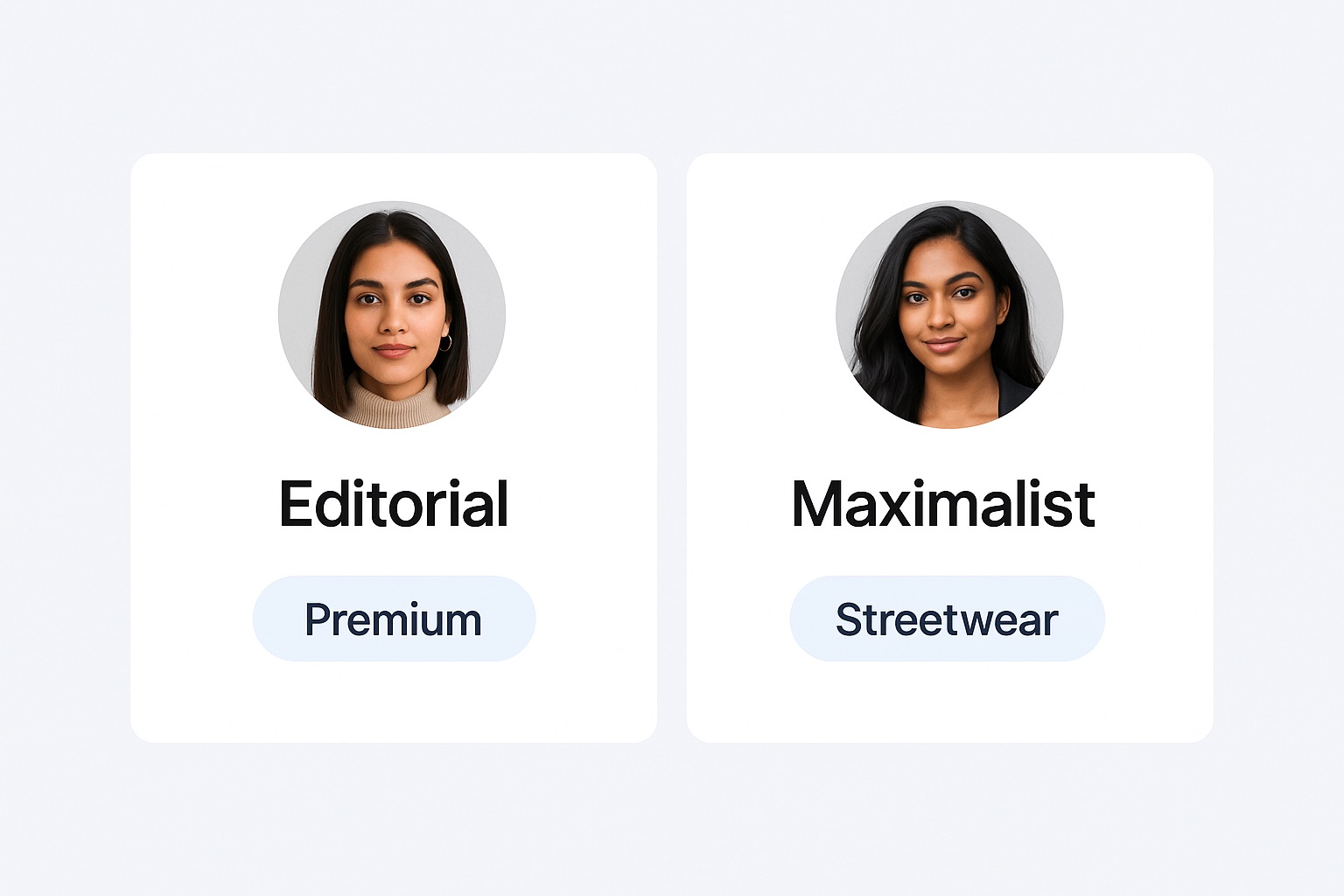
In most categories, audience fit is the deciding factor and the creator’s visual style is secondary. Fashion inverts part of that, because the content is the product presentation. A creator shooting in natural light with minimal styling fits a premium label. A creator using saturated filters, maximalist styling and high-energy captions is right for Gen Z streetwear and wrong for the first brand, and both may have identical audience data.
So fashion selection runs on three criteria rather than two: audience fit as usual, and then aesthetic fit and styling behaviour. That last one is worth checking specifically. A creator who habitually styles new pieces with items from other brands will do it to yours, which is a discussion to have before booking rather than a surprise at delivery.
Finding creators who fit the brief
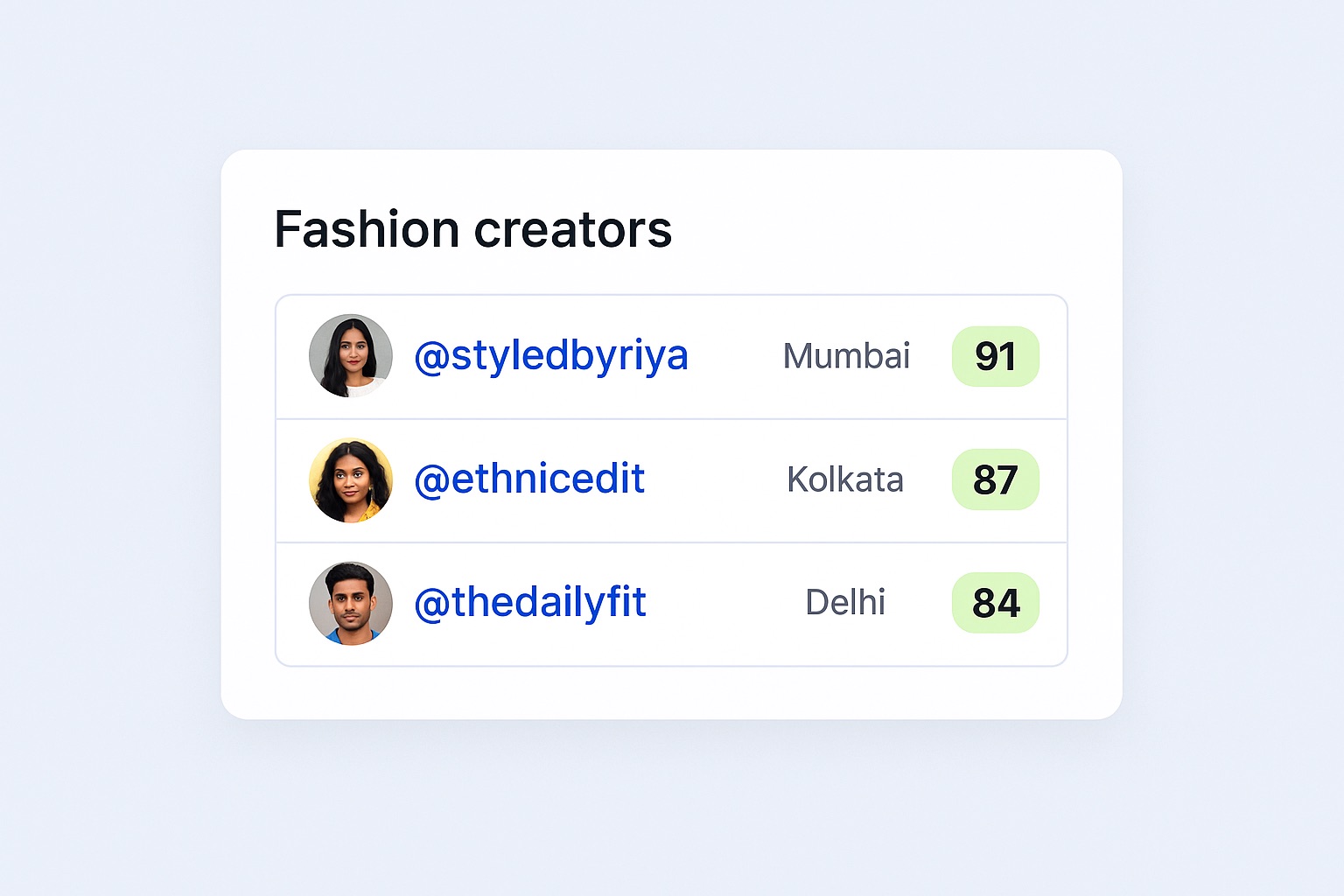
The manual method is the bottleneck: search hashtags, scroll hundreds of posts, save candidates, then check demographics one profile at a time. A single seasonal shortlist can take days, which is why most fashion teams reuse the same creators until something forces a change.
Describing the brief instead, and getting a ranked list from 400M+ profiles with credibility attached, moves the work to the part that needs a human: opening the shortlist and deciding whether the visual world fits the collection. The influencer suite filters by audience city, which matters more in fashion than most categories because regional style preference is real. A creator whose followers are in Kolkata is a different proposition from one whose followers are in Bengaluru, even at the same follower count.
Soch Apparels ran exactly this way, choosing creators for Delhi, Mumbai, Kolkata and Bengaluru on audience fit rather than size, and regional engagement rose 45%.
Structuring a seasonal campaign
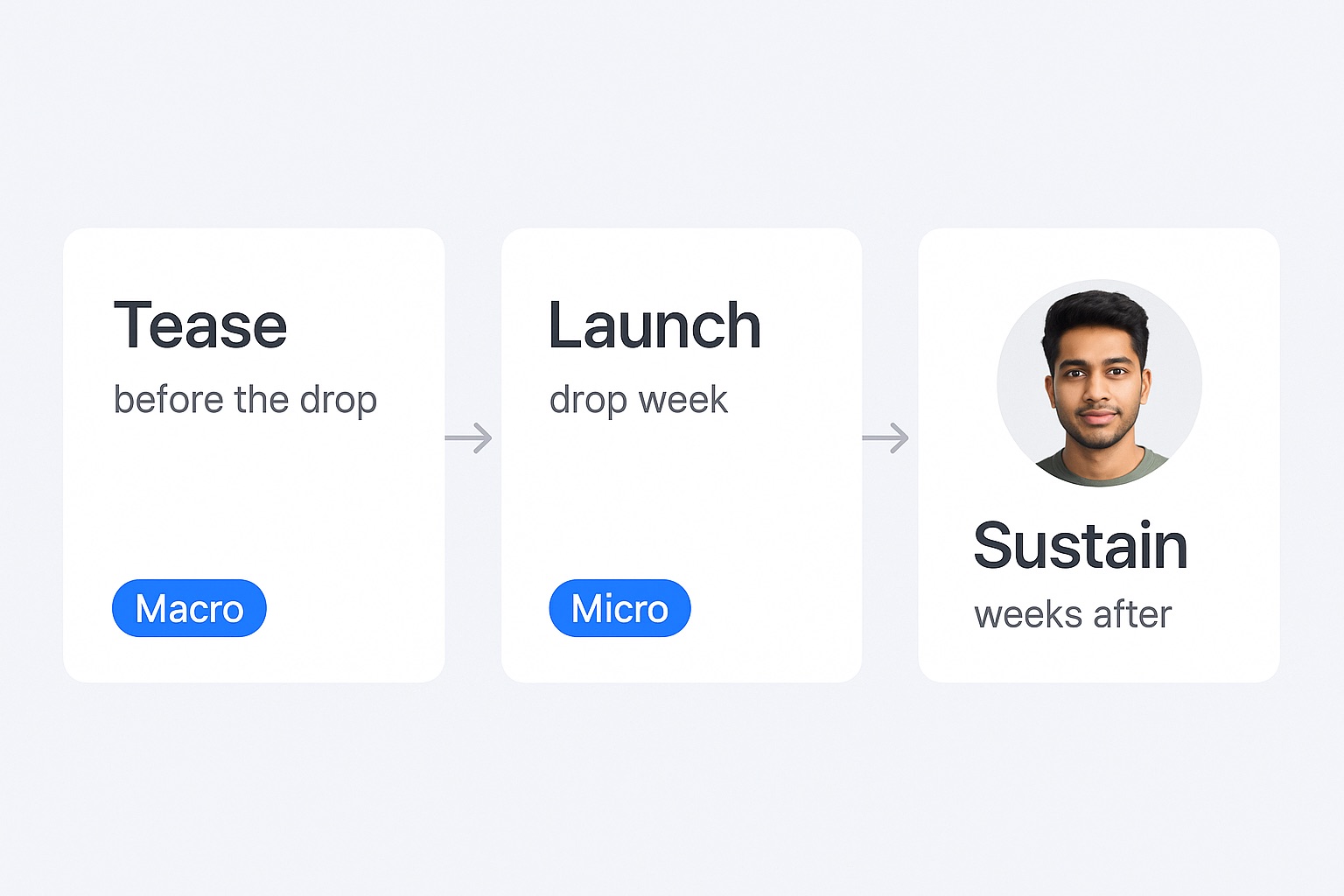
Fashion campaigns cluster around drops, and the common mistake is spending the whole budget in launch week. Three phases use it better.
- Pre-launch, two to three weeks out. Mid-tier and macro creators build anticipation before anything is buyable. The objective is curiosity rather than reveal: fabric close-ups, a detail, a silhouette teased without the full look.
- Launch week. The main weight. Micro creators post try-ons, styling videos and full looks, because their audiences treat them as style references. Every creator carries the same link and code so attribution is per creator.
- Sustain, two to four weeks after. Fewer creators, real-life wear rather than launch content. This is the phase that keeps a collection selling after the launch spike, and the one most often cut.
See CultureX in action
Find fashion creators by audience city and credibility, keep a standing roster between drops, and track what each one sold.
Briefing for content that does not look like an ad
Fashion audiences detect a script quickly, so the brief should constrain the things that protect the brand and leave the rest alone.
- Be specific about the non-negotiables. Shooting environment, whether competitor pieces can appear, which pieces must be shown, and any styling that would misrepresent the fit.
- Ask for a format, not a shot list. “A GRWM around the co-ord set” produces content that fits their feed. A twelve-point shot list produces an advert.
- Let them style it. The reason you chose this creator is their taste. Overriding it removes the thing you were paying for.
What to measure in fashion
Likes are the weakest signal here. Three others carry more information:
- Save rate. In fashion a save is usually intent, someone keeping a look to come back to.
- Story taps to product. The closest thing to a purchase signal available in the content itself.
- Sentiment on fit and quality. Comments about sizing and fabric predict returns, which is a fashion-specific cost that campaign reports usually ignore.
For the wider category picture on platforms and formats, see how fashion brands in India use influencer marketing. For the attribution mechanics, D2C influencer marketing.
Frequently asked questions
How do I find influencers for a fashion brand?
Filter on audience city and credibility rather than creator location, then review the shortlist for aesthetic fit. In fashion the creator’s visual style is part of the product presentation, so it is a selection criterion rather than a preference.
What makes a good fashion influencer for campaigns?
An audience in the cities you sell to, credible follower quality, a visual style that suits the brand’s positioning, and a styling habit that does not routinely put competitor pieces in frame with new collections.
How should I structure a campaign around a drop?
Three phases: tease with mid-tier and macro creators two to three weeks out, saturate with micro creators in launch week, then sustain with a smaller group posting real-life wear for a few weeks after. Spending everything in launch week loses both ends.
Which metrics matter most in fashion?
Save rate, story taps to product, and sentiment about fit and quality. Likes indicate approval; saves indicate intent, and comments about sizing predict returns.
How do I build a standing creator roster?
Keep the creators who performed attached to the brand between drops rather than rebuilding the list each season. A roster with your own performance history against it is a better predictor than any benchmark, and it makes each new drop a filter rather than a fresh search.