
The short version
- Hashtag volume on its own says a conversation is happening, not whether it is going your way. Volume and sentiment have to be read together.
- Branded and campaign hashtags need different treatment: one is monitored continuously, the other intensively for a fixed window.
- Tracking has to be set up before launch. A hashtag started mid-campaign has no baseline, so nothing that follows can be called a change.
The usual method is to open Instagram, search the hashtag, scroll the recent posts and form an impression. That tells you the tag is being used. It does not tell you whether use is rising or falling, who is driving it, which formats it appears in, or whether the tone shifted after day two.
Those are the questions a campaign actually turns on. This post explains what hashtag analytics measures, how branded and campaign tags differ, and how to set tracking up so the data means something when the campaign ends.
What hashtag tracking actually measures
Four things, and they answer different questions.
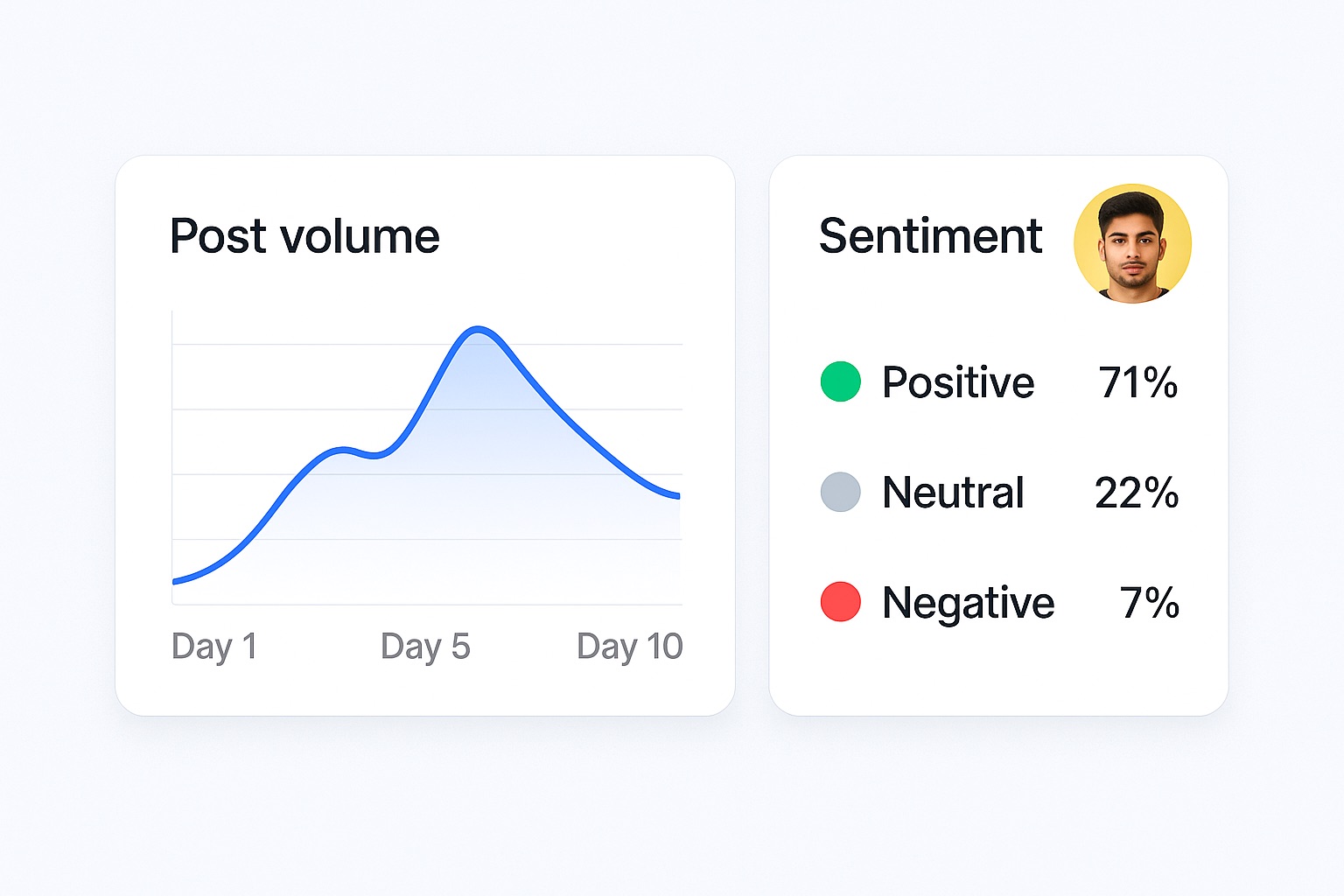
- Post volume over time. How often the tag is used across the campaign, which makes peaks visible and lets you trace what caused them.
- Content breakdown. Which formats carry the tag, across Reels, Stories, static posts, YouTube and TikTok. This is the fastest check on whether the campaign was executed as briefed.
- Top contributors. Which accounts drive use, and whether that is your paid creators or people who picked it up on their own. The second group is the interesting one.
- Sentiment. How people are using it, not just how often, which is the difference between a busy campaign and a successful one.
The Hashtag Analyzer in the listening suite combines these across Instagram, YouTube and TikTok, and posts can be filtered by views, engagement, comments, follower count or recency, which matters when a tag has thousands of uses and you need the ones that carried weight.
Branded and campaign hashtags are different jobs
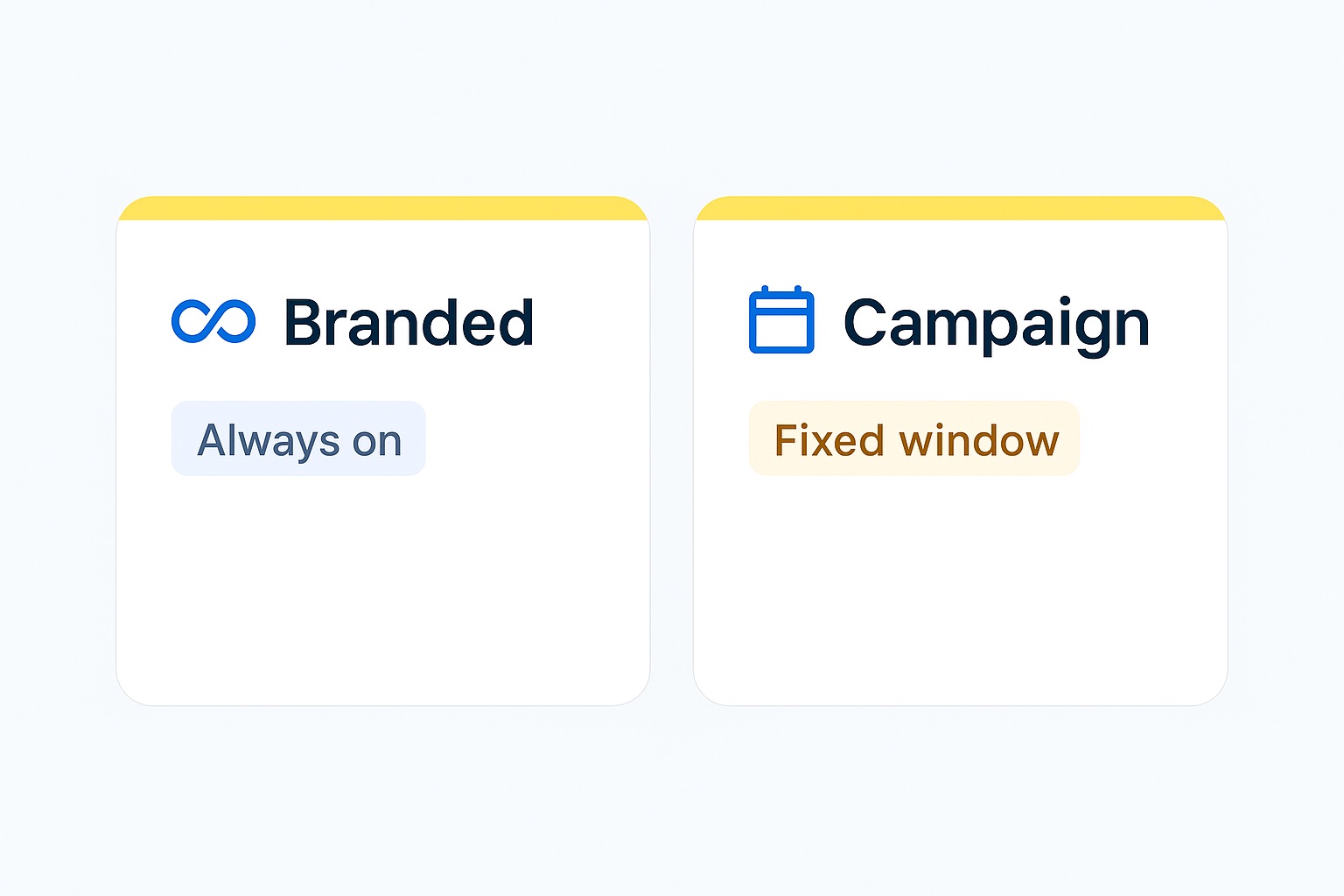
A branded hashtag belongs to the brand permanently and is monitored continuously. Its value is the baseline: knowing what normal looks like means an unusual week is recognisable as unusual.
A campaign hashtag exists for a specific activity, a launch, a festive push, a creator collaboration. It is watched intensively from the day the campaign starts and it has no history, so everything is read against the campaign period itself.
Running both means two alert thresholds. A branded tag spiking on an ordinary Tuesday is worth a look. A campaign tag losing positive sentiment on day three of a launch needs someone on it that afternoon, while the window is still open.
Set it up before launch
This is the step that decides whether the data is usable. Start tracking a hashtag mid-campaign and there is no baseline, so any number you produce afterwards is a figure without a comparison.
- Register the tag before the first post goes live, so the first day’s activity is captured.
- Record the pre-campaign baseline for the branded tag, so lift can be stated rather than asserted.
- Set alert thresholds per tag at setup, when you can think clearly, rather than during a live incident.
- Decide the reporting window up front, including how long after the campaign you keep counting, since tags keep moving for a while after paid posts stop.
See CultureX in action
Track campaign and branded hashtags across Instagram, YouTube and TikTok, with volume, formats, top contributors and sentiment in one view.
Reading volume and sentiment together
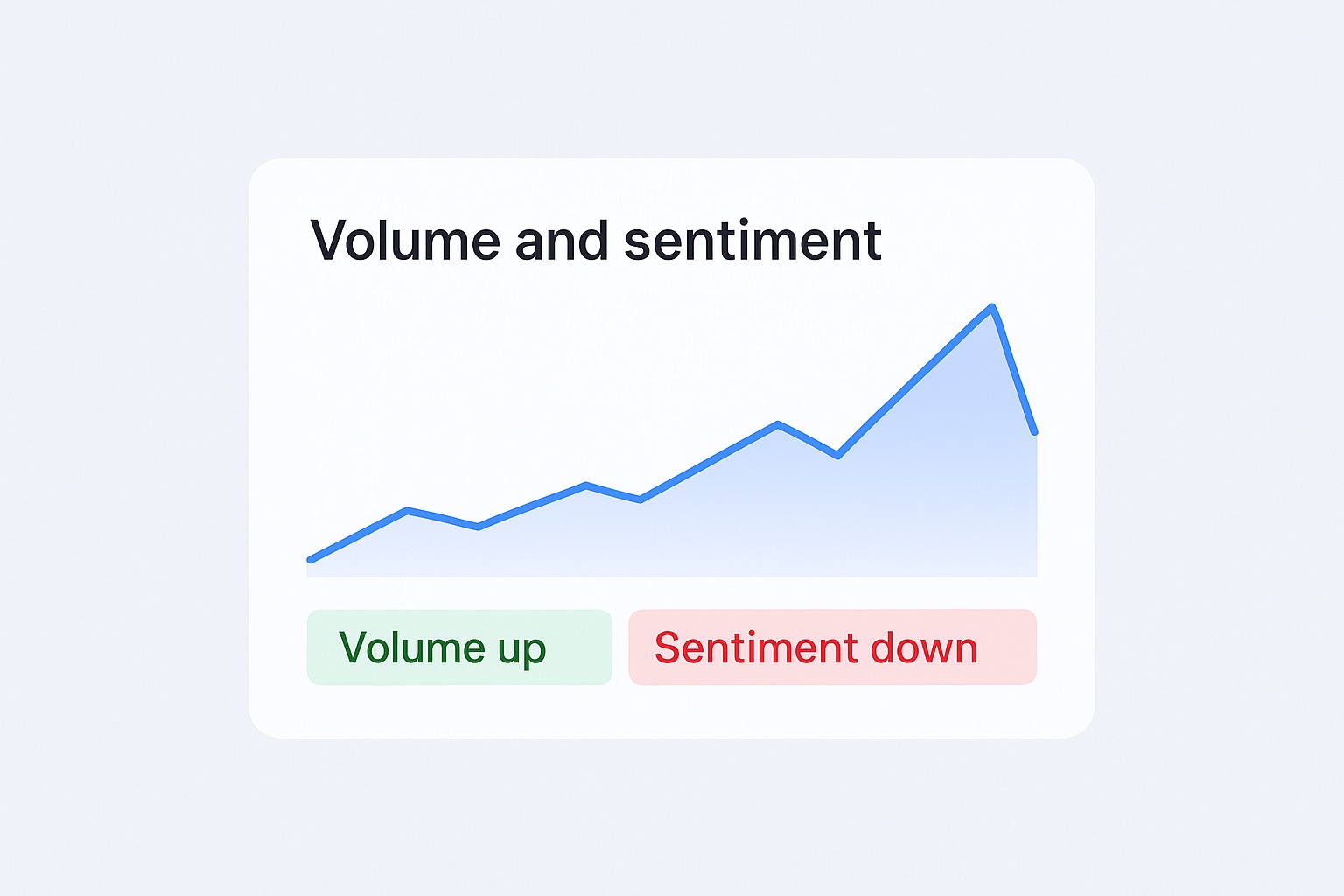
Volume alone is ambiguous in a way that regularly misleads reporting. A spike means people are talking. It does not say whether they are recommending the product or complaining about the delivery experience, and those two produce the same line on a volume chart.
Read together, four situations become distinguishable: volume up with positive sentiment is the campaign working; volume up with negative sentiment needs intervention now; volume flat with positive sentiment means the message is landing but not travelling; volume down after a strong start usually means the creator posts stopped and nothing organic picked it up. Each of those calls for a different response, and none of them is visible from a volume chart alone.
Connecting it to the rest of the report
Hashtag data is most useful next to the campaign numbers rather than in its own section. Paid post performance shows what you bought; hashtag activity beyond those posts shows what you earned. The ratio between them is the clearest read on whether a campaign travelled.
For the wider measurement picture, see campaign tracking, and for competitor tags and category conversation, competitor analysis.
Frequently asked questions
What is hashtag analytics?
Measuring how a hashtag is used over time: volume, the formats and platforms it appears on, which accounts drive it, and the sentiment of the posts carrying it. The point is understanding whether a conversation is growing and in which direction.
How do I track hashtag performance for a campaign?
Register the tag before launch so the first day is captured, record a baseline for any branded tag, set alert thresholds at setup, and decide how long after the campaign you keep counting. Tracking started mid-campaign produces numbers without a comparison.
What is the difference between a branded and a campaign hashtag?
A branded hashtag is permanent and monitored continuously to establish what normal looks like. A campaign hashtag exists for one activity and is watched intensively for a fixed window. They need separate alert thresholds because a spike means something different on each.
What does volume miss?
Direction. Volume tells you a conversation is happening; sentiment tells you whether it is helping. A spike driven by a delivery complaint and a spike driven by genuine enthusiasm are the same line on a volume chart.
Should I track competitor hashtags too?
Yes, and it is one of the more useful comparisons available. A competitor’s campaign tag shows which creators they activated, which formats they used and how their audience responded, at a level of detail their reporting will never make public.